
As I stood in my kitchen, the aroma of sizzling garlic and ginger danced around me, immediately transporting me to a bustling street market in Seoul. That’s the magic of this Irresistible Korean Pot Roast—it’s not just a dish; it’s a comforting embrace after a long day. This recipe features tender beef braised in a savory sauce, enriched with soy sauce and a touch of sweet brown sugar, making it a wonderful crowd-pleaser. With its hands-off cooking method, you can set it in the oven and focus on what matters most—like catching up with family or unwinding after work. Let me show you how to turn simple ingredients into hearty comfort food that’s perfect for busy nights yet feels incredibly special. Are you ready to infuse your weeknight dinners with a touch of Korean flavor?
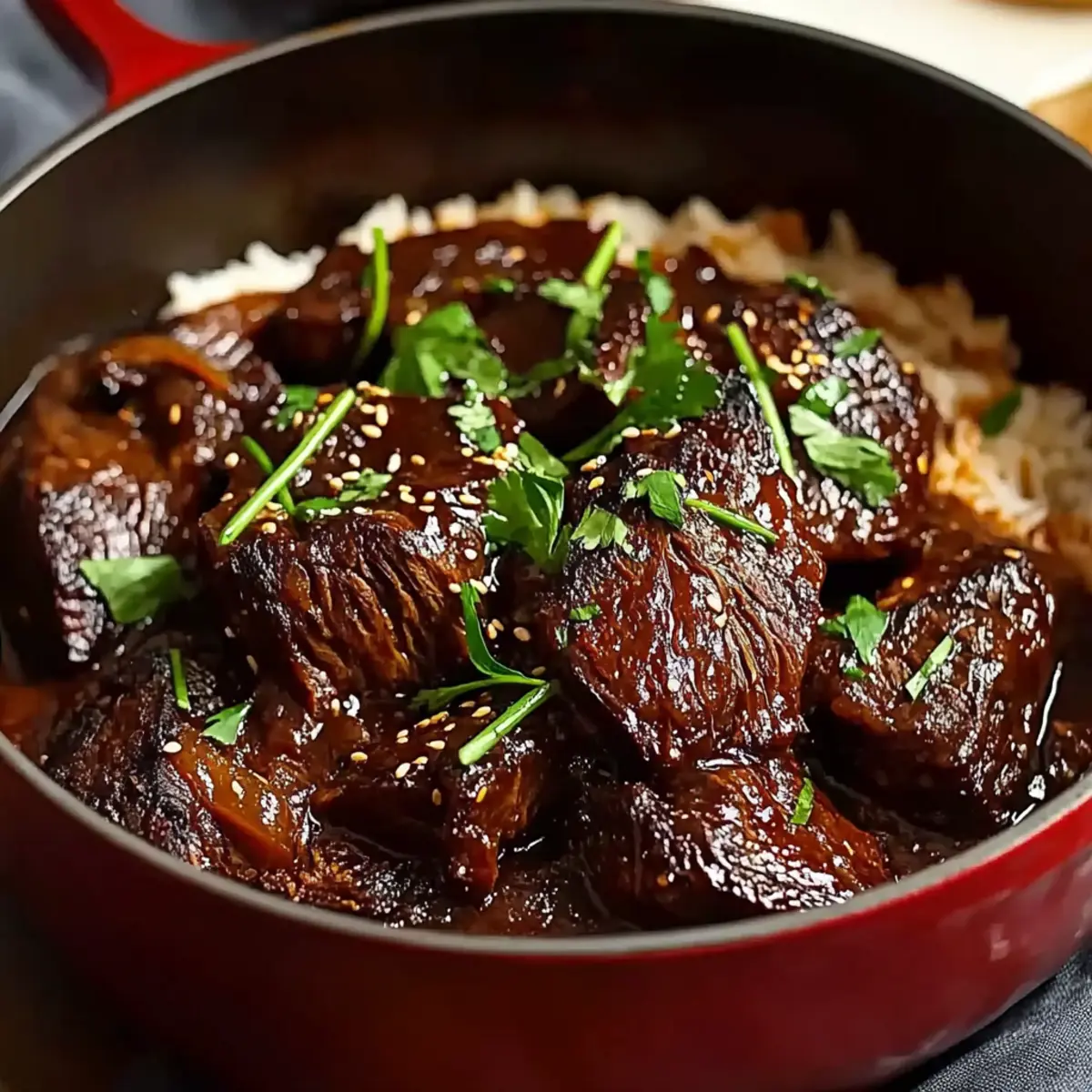
Why is Korean Pot Roast a Must-Try?
Hands-Off Cooking: Start by placing everything in one pot. This dish requires minimal active time, so you can relax while it braises.
Tender Perfection: The slow cooking transforms the beef into melt-in-your-mouth goodness, with flavors that deepen over time.
Savory Sauce: A rich combination of soy sauce, ginger, and brown sugar creates a sauce you’ll want to soak your rice in. Pair it with some homemade Roasted Poblano Soup for the ultimate comfort meal!
Family Favorite: With its comforting taste, this pot roast is sure to impress everyone around the dinner table.
Versatile Ingredients: You can modify the recipe to include seasonal vegetables or customize the spice level, ensuring it suits your family’s palate.
Great for Leftovers: The flavors only get better after a day in the fridge, making it a solid make-ahead option. Perfect when you’re busy but want something hearty at the end of the day!
Korean Pot Roast Ingredients
For the Braise
• Chuck Roast – The main protein providing rich flavor and tenderness; choose a well-marbled cut for juiciness.
• Soy Sauce or Tamari – Adds umami depth and saltiness; use tamari for a gluten-free option.
• Vegetable Oil – Essential for browning the meat, enhancing flavor; substitute with olive oil for a different profile.
• Gochujang Paste – A Korean chili paste that brings heat and complexity; use less for a milder flavor.
• Brown Sugar – Introduces sweetness to balance the savory elements; maple syrup can be a substitute.
• Fresh Ginger – Provides warmth and a hint of spice; ground ginger may be used, but fresh is preferred.
• Garlic – Essential for flavor; finely minced for better integration.
• Sweet Onion – Adds sweetness and depth; yellow onions can be a suitable alternative.
• Beef Stock – Contributes to the braising liquid; homemade or low-sodium options yield the best flavor.
• Kosher Salt – For seasoning the beef before cooking; adjust amount to taste.
For Serving
• Fresh Cilantro – A garnish that adds a fresh note when served; omit if preferred.
• Cooked Rice – The recommended serving base, ideal for soaking up the rich Korean pot roast sauce.
• Kimchi – A traditional side that brings tang and crunch; serve for balanced flavor.
Step‑by‑Step Instructions for Korean Pot Roast
Step 1: Preheat the Oven
Begin by preheating your oven to 350°F (175°C) with the rack positioned in the lower third. This temperature is ideal for slow braising that transforms your beef into the tender, melt-in-your-mouth Korean pot roast everyone loves. While waiting, gather your ingredients and prep your equipment for a smooth cooking experience.
Step 2: Season the Beef
Pat your chuck roast dry using paper towels to remove excess moisture, which helps achieve a beautiful sear. Season all sides generously with kosher salt to enhance the beef’s natural flavors. The salt not only adds taste but helps to create a wonderfully savory crust during browning, making the final dish even more appetizing.
Step 3: Brown the Chuck Roast
In a large Dutch oven, heat a couple of tablespoons of vegetable oil over medium-high heat. Once the oil shimmers, carefully place the seasoned chuck roast into the pot and brown it on all sides for about 10 minutes or until it develops a deep, golden crust. This step builds a rich flavor base for your Korean pot roast, so don’t rush it!
Step 4: Sauté the Aromatics
Lower the heat to medium and remove the browned beef from the pot, setting it aside. In the same pot, add sliced sweet onion and sauté for about 4 minutes until softened and translucent. Then, add the minced garlic and freshly grated ginger, cooking for an additional minute until fragrant—this aromatic mixture will elevate the overall flavor of your dish.
Step 5: Combine the Sauce Ingredients
Stir in gochujang paste, brown sugar, and soy sauce, mixing until well-blended and the paste dissolves. This savory sauce is the heart of your Korean pot roast, providing a delicious balance of sweetness and heat. Allow the mixture to simmer for a minute as the ingredients meld together, creating a flavorful broth that complements the roast perfectly.
Step 6: Add Back the Beef and Simmer
Return the browned chuck roast to the Dutch oven along with any accumulated juices. Pour in enough beef stock to cover about two-thirds of the meat, then let it simmer for 5 minutes over medium heat. This step allows the flavors to penetrate the beef, preparing it for the long, tender braising that awaits.
Step 7: Braise the Pot Roast
Cover the Dutch oven tightly with a lid and transfer it to your preheated oven. Allow the pot roast to braise for approximately 2 hours, or until the beef is fork-tender and pulls apart easily. This slow cooking method is key for achieving that tender, flavorful Korean pot roast your family will surely rave about.
Step 8: Serve with Accompaniments
Once fully cooked, take the Dutch oven out of the oven and let the pot roast rest for 10-15 minutes before slicing. Serve it family-style on a platter, accompanied by fluffy cooked rice to soak up the savory sauce, fresh cilantro for a pop of brightness, and some tangy kimchi for an extra layer of flavor.
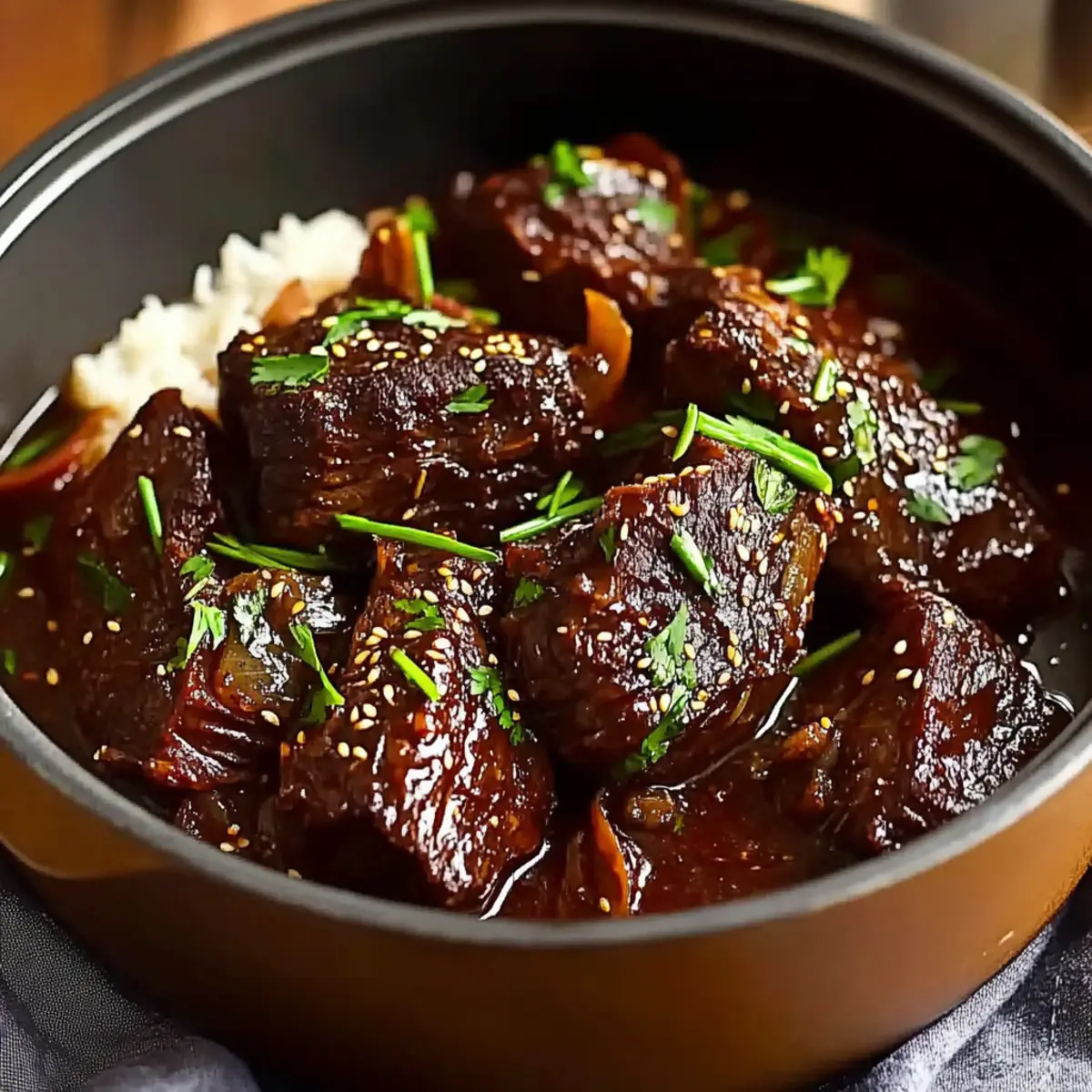
Korean Pot Roast Variations & Substitutions
Feel free to make this Korean pot roast your own with these delightful twists and flavors.
-
Brisket: Swap chuck roast for brisket for a richer, more flavorful experience; you’ll love the difference in texture!
-
Root Veggies: Add diced carrots or potatoes to the braise for a comforting, one-pot meal that packs extra nutrients. They’ll soak up all that savory sauce!
-
Onion Options: Experiment with red or shallots instead of sweet onions; it will give your dish a lovely color and unique flavor boost.
-
Heat Level: Adjust the heat by increasing or decreasing the gochujang paste; for a milder taste, start with half the amount and adjust to your liking.
-
Soy Sauce Swap: Use coconut aminos or liquid aminos to keep it soy-free while maintaining the savory depth you crave.
-
Sweetness Variation: Try honey or agave syrup instead of brown sugar for a different sweetness profile, enhancing the sauce’s complexity.
-
Garnish Flair: Top with chopped green onions or toasted sesame seeds instead of cilantro for a different and exciting finish.
-
Serving Base: Instead of rice, serve with quinoa or even creamy polenta to soak up that luscious sauce; it adds an unexpected touch!
Pair your Korean pot roast with other comforting favorites like Chicken Pot Pie or enjoy a bowl of hearty Ground Turkey Roasted for a cozy meal. Each option enhances your culinary fiesta and keeps you coming back for seconds!
Make Ahead Options
Preparing this Korean Pot Roast in advance is a fantastic way to save time during busy weeknights! You can season and brown the chuck roast up to 24 hours ahead of cooking, then refrigerate it in an airtight container. Additionally, you can prep the aromatic base (sautéed onion, garlic, and ginger) up to 3 days in advance, simply storing it in the fridge to keep all those vibrant flavors intact. When you’re ready to cook, just combine the prepped components with your sauce ingredients and braise as instructed. This method maintains the quality of your meal, ensuring the pot roast is just as delicious when reheated, bringing you comforting results with minimal effort!
Expert Tips for Korean Pot Roast
• Browning Matters: Ensure you don’t skip browning the beef, as it adds complex flavors essential for the Korean pot roast.
• Low and Slow: Resist the urge to crank up the heat; keeping the temperature low allows for tender, melt-in-your-mouth meat.
• Liquid Balance: Avoid adding too much liquid; the chuck roast will release its own juices as it cooks, keeping it flavorful without being watery.
• Rest Before Slicing: Let the roast rest for 10-15 minutes after cooking so the juices redistribute, resulting in a juicier Korean pot roast.
• Customize Wisely: Feel free to adapt spices and add vegetables, but avoid overwhelming the dish to maintain the savory depth it offers.
What to Serve with Irresistible Korean Pot Roast
To create a delightful dining experience, consider these vibrant pairings that complement the deep flavors of your pot roast.
-
Fluffy White Rice: This is the perfect base to soak up the savory sauce, ensuring every bite is filled with rich flavor.
-
Tangy Kimchi: A traditional accompaniment that offers a refreshing crunch and acidity, balancing the richness of the meat beautifully.
-
Steamed Broccoli: Bright green and tender, this vegetable adds a fresh, slightly bitter contrast, enhancing the dish’s overall profile.
-
Pickled Radishes: These crunchy bites bring an extra layer of flavor and brightness, cutting through the savory heaviness of the pot roast.
-
Roasted Sweet Potatoes: Their natural sweetness pairs wonderfully with the umami of the roast, while the caramelization adds depth of flavor.
-
Sesame Spinach Salad: A vibrant salad with toasted sesame oil and garlic that introduces a nutty flavor and fresh texture, adding balance to your meal.
-
Chilled Soba Noodles: A refreshing option, serve these cold noodles with a soy dipping sauce, providing a different texture that complements the warm pot roast.
-
Korean Rice Cakes: Chewy and hearty, they can be included alongside the roast for a traditional touch that adds fun and flavor to the table.
-
Soju or Sweet Wine: A chilled drink option that pairs exceptionally well with Korean cuisine, enhancing the overall meal experience.
Storage Tips for Korean Pot Roast
-
Fridge: Store your leftover Korean pot roast in an airtight container for up to 4 days. Ensure that it’s completely cooled before sealing to maintain optimal flavor and freshness.
-
Freezer: If you’re not planning to eat the leftovers right away, freeze the pot roast for up to 3 months. Portion it into freezer-safe bags or containers, making it easy to defrost later.
-
Reheating: For the best results, reheat in a saucepan over low heat or in the microwave until heated through. Add a splash of beef stock or water to keep the meat moist and the flavors vibrant.
-
Make-Ahead: This pot roast actually improves in flavor after a day in the fridge, making it perfect for meal prep or as a delightful make-ahead dish for busy days!
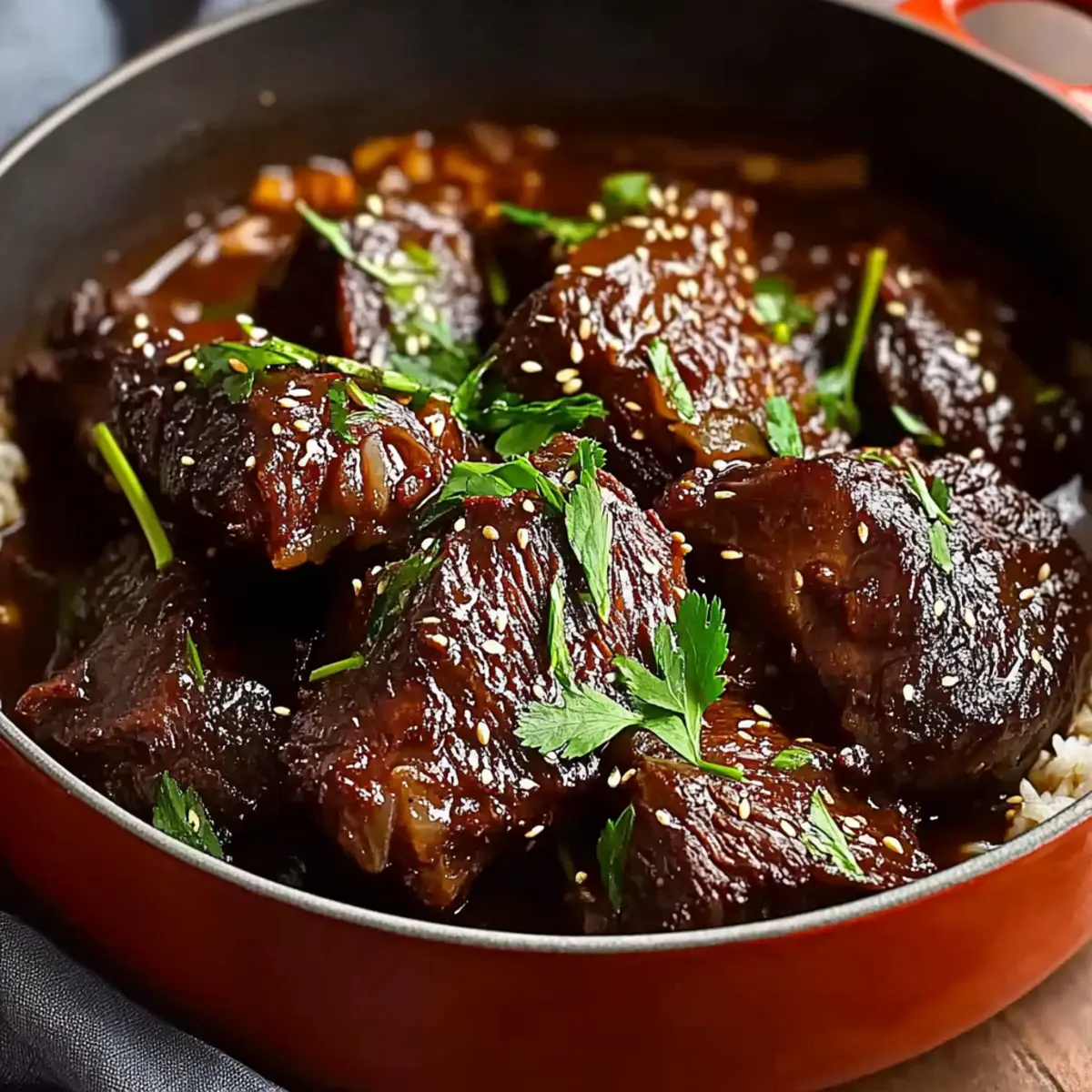
Korean Pot Roast Recipe FAQs
What type of chuck roast should I choose?
Look for a well-marbled chuck roast, as the fat will help keep the meat juicy and flavorful during cooking. A cut with good marbling ensures the roast stays tender and melts in your mouth after braising. Avoid overly lean cuts, as they may lead to a dry result.
How should I store leftover Korean pot roast?
After cooling, store your leftover Korean pot roast in an airtight container in the fridge for up to 4 days. If properly sealed, the flavors will remain intact, and this dish often tastes even better the next day. Just remember to allow it to cool completely before sealing to maintain freshness.
Can I freeze Korean pot roast?
Absolutely! You can freeze your Korean pot roast for up to 3 months. Portion it into freezer-safe bags or containers, ensuring that excess air is squeezed out to prevent freezer burn. When you’re ready to enjoy, simply thaw it overnight in the refrigerator before reheating—this allows for better flavor retention!
What if my pot roast isn’t tender after braising?
If your pot roast isn’t tender after the initial braise, it may need more time in the oven. Simply cover it tightly and place it back in the oven for an additional 30 to 60 minutes. The low and slow cooking method is key to achieving that fork-tender texture, so patience is essential here!
Is there a gluten-free option for this recipe?
Yes! You can use tamari instead of soy sauce to keep the dish gluten-free. Always check the specific brands you choose for any hidden gluten ingredients. Additionally, make sure your other ingredients, especially condiments and broth, are gluten-free as well.
Can I add vegetables to the Korean pot roast?
Certainly! Adding vegetables such as carrots, potatoes, or mushrooms is a great way to make this dish even heartier. If you choose to include them, simply toss them into the braising liquid after browning the beef, ensuring they have enough time to cook through during the braising process. This creates a delicious one-pot meal that is both satisfying and nutritious.
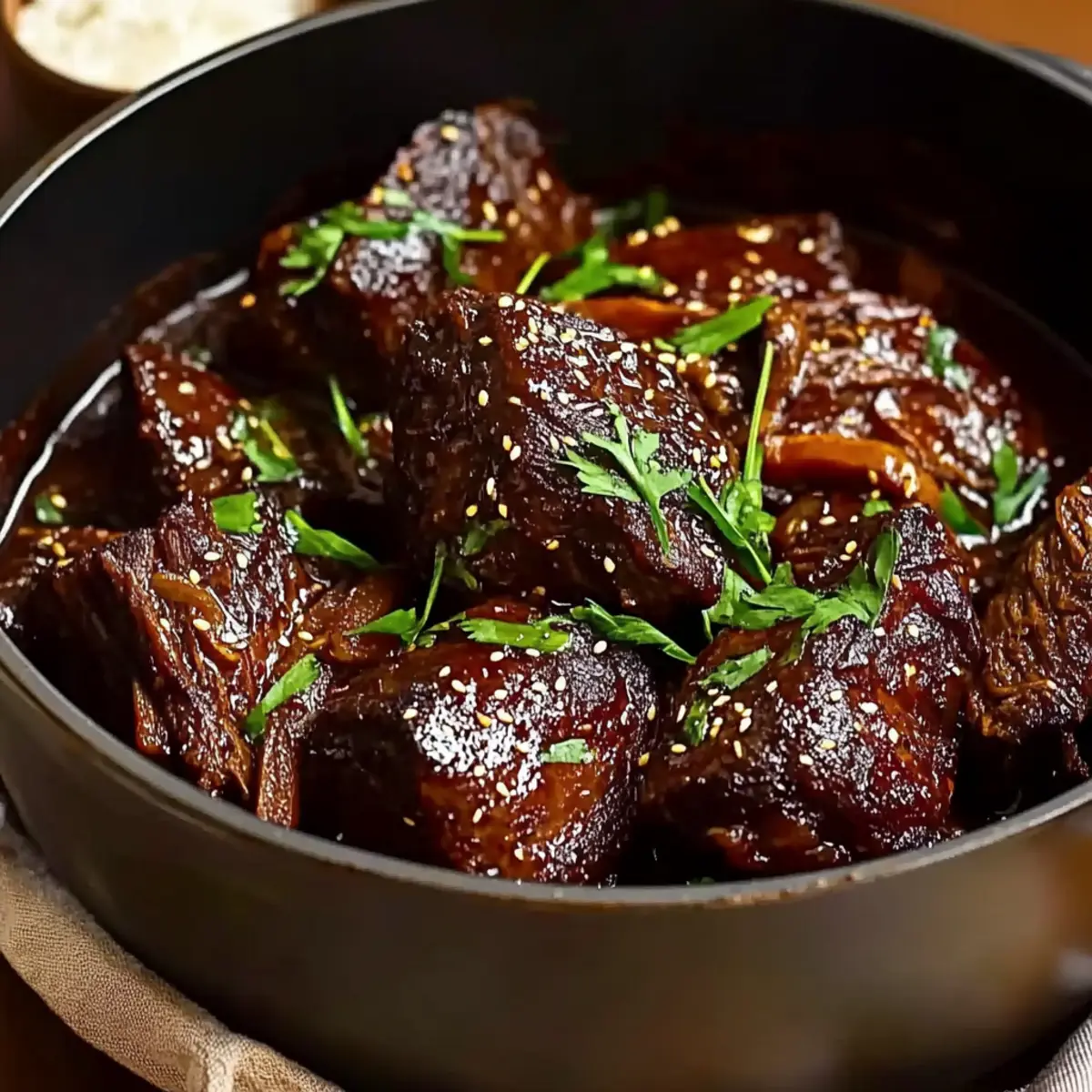
Savory Korean Pot Roast for Effortless Comfort Food Nights
Ingredients
Equipment
Method
- Preheat your oven to 350°F (175°C) with the rack positioned in the lower third.
- Pat your chuck roast dry and season generously with kosher salt.
- In a large Dutch oven, heat oil and brown the chuck roast on all sides for about 10 minutes.
- Remove the beef and sauté the sweet onion for 4 minutes until softened, then add garlic and ginger for an additional minute.
- Stir in gochujang paste, brown sugar, and soy sauce, mixing until well-blended.
- Return the beef to the pot and cover with beef stock, then simmer for 5 minutes.
- Cover the Dutch oven and braise in the oven for about 2 hours.
- Let the pot roast rest for 10-15 minutes before slicing and serving with rice, cilantro, and kimchi.
Leave a Reply