
With a tantalizing aroma wafting through the kitchen, there’s something profoundly comforting about the process of making Japanese curry on rice. Known as Kare Raisu, this dish is a staple in my home, especially when the weather turns chilly. It brings warmth, nostalgia, and some serious flavor without complicated steps or exotic ingredients. The beauty of this Japanese curry recipe lies in its simplicity; it’s perfect for family dinners or meal prep that will keep both kids and adults eagerly coming back for more. Plus, it’s incredibly versatile, allowing for a variety of proteins and optional flavor enhancements that invite your creativity into the kitchen. Are you ready to discover the joy of homemade curry? Let’s dive in!
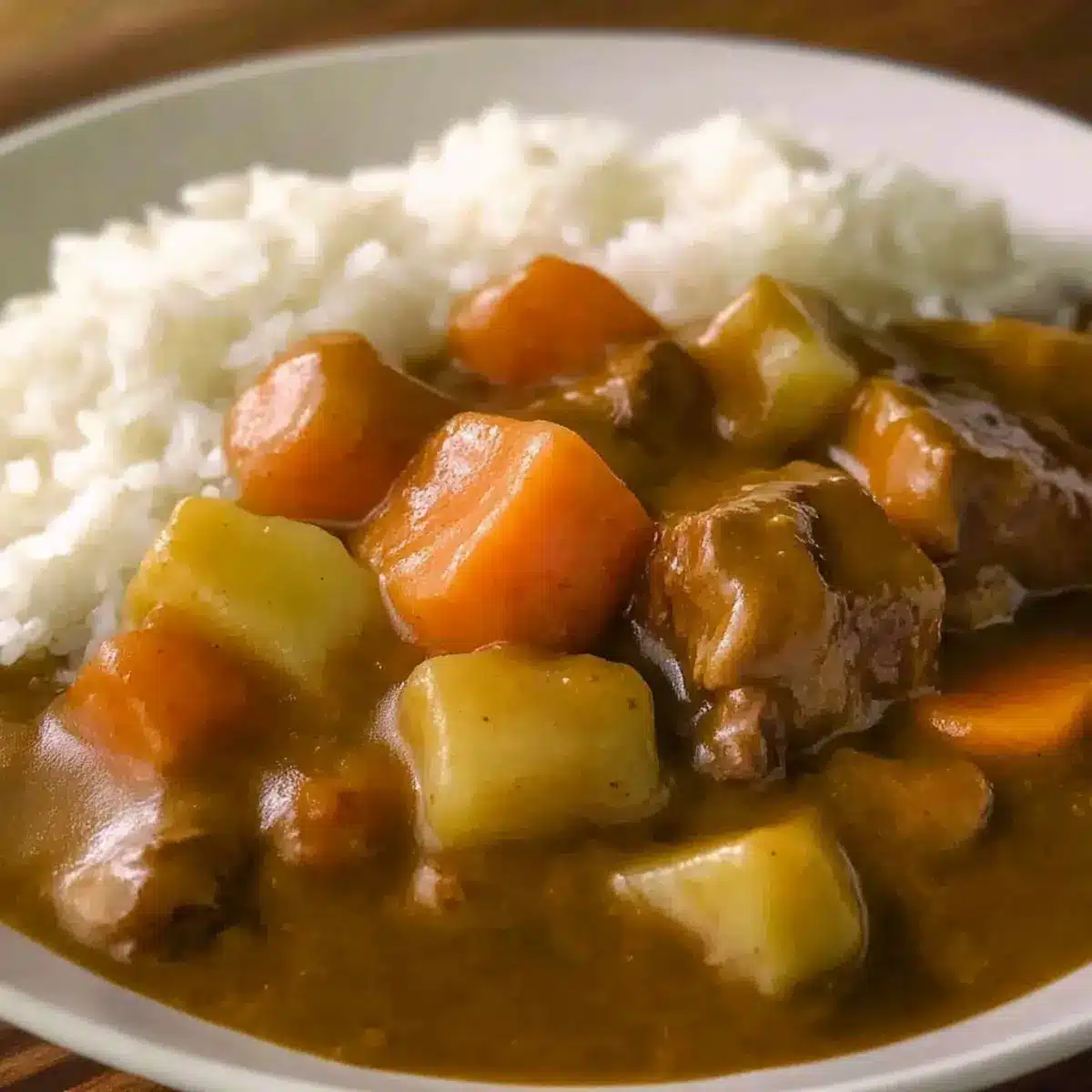
Why is Japanese curry so beloved?
Comforting, Japanese curry offers a delightful blend of warmth and nostalgia, making it the ultimate comfort food.
Simple Preparation ensures that even novice cooks can whip this up with ease, allowing you to enjoy a homemade meal without the hassle.
Versatile Flavor Profiles let you experiment with proteins like chicken, pork, or tofu, while optional enhancers such as Worcestershire Sauce add unique depth.
Perfect Meal Prep choice, as the flavors deepen over time, making leftovers even more delicious.
Crowd-Pleasing Appeal means this dish is sure to satisfy everyone at the table—from kids to adults alike!
Embrace the joy of homemade goodness with this hearty dish that’s sure to become a family favorite!
Japanese Curry Ingredients
• Get ready to create a creamy curry rice masterpiece!
For the Base
- Onions – Adds sweetness and depth; use large yellow or white onions for best flavor.
- Carrots – Provides a burst of sweetness and color; fresh medium-sized carrots are recommended.
- Potatoes – Contributes heartiness that absorbs rich flavors; Yukon Gold potatoes work best for creamy texture.
- Garlic – Enhances the overall flavor profile of the curry; fresh garlic is key for optimal taste.
- Butter – Serves as the sautéing base fat, adding richness; swap for oil for a dairy-free version.
For the Liquid
- Water or Stock – Forms the delicious liquid base for the curry; consider vegetable or beef stock for added depth.
For the Protein
- Cubed Beef – The main source of protein; can be replaced with chicken, pork, or even tofu for a delightful variation.
For the Seasoning
- Japanese Curry Roux – Provides the essential seasoning and thickness; popular brands include S&B Golden Curry or Vermont Curry.
Optional Flavor Enhancers
- Worcestershire Sauce – Introduces a savory umami depth to your curry.
- Ketchup – Adds a hint of sweetness; perfect for those looking to balance flavors.
- Honey – Use for additional sweetness and complexity in your dish.
- Apple (e.g., Fuji or Honeycrisp) – Incorporates natural sweetness; grating beforehand helps with even distribution.
For Serving
- Rice – Medium-grain white rice, like Nishiki or Koshihikari, serves as the perfect pairing for your Japanese curry on rice.
Dive into this delicious recipe and experience the comforting embrace of Japanese curry!
Step‑by‑Step Instructions for Japanese Curry on Rice
Step 1: Prep Vegetables
Begin by chopping the potatoes, carrots, and onions into 1-inch chunks for even cooking. Mince a few cloves of fresh garlic and grate an apple for added sweetness. Organizing your ingredients will make it easier to assemble your Japanese curry, so get everything ready before moving on to the next step.
Step 2: Soak Potatoes
To reduce excess starch and help achieve creaminess in your curry, place the chopped potatoes in a bowl of warm water for 15 minutes. This soaking process allows them to cook more evenly and absorb the rich flavors of the broth later on. While the potatoes soak, you can move on to preparing your beef.
Step 3: Prepare Beef
Take your cubed beef and sprinkle it with salt, allowing it to sit at room temperature for about 10 minutes. This step not only enhances the flavor but also helps to achieve a nice sear. While the beef rests, you can set up your cooking station with your chosen pot and cooking oil.
Step 4: Sear Beef
In a medium pot, heat a tablespoon of oil over medium-high heat. Once hot, add the beef cubes and sear them until browned on all sides, approximately 5-7 minutes. This browning will create depth in your Japanese curry. Once nicely browned, remove the beef from the pot and set it aside for later.
Step 5: Sauté Onions
In the same pot, melt 2 tablespoons of butter over medium heat, then add the chopped onions. Sauté the onions for about 8 minutes, stirring occasionally, until they’re golden brown and caramelized. The sweet aroma will fill your kitchen, setting the perfect base for your curry.
Step 6: Combine Ingredients
Add the minced garlic, soaked potatoes, and chopped carrots to the pot, stirring briefly to combine all the flavors. After about 2 minutes, return the seared beef to the pot, mixing everything together. This combination sets the stage for the rich and hearty Japanese curry you’re about to create.
Step 7: Add Liquid
Pour in about 4 cups of water or stock to cover the ingredients in the pot, ensuring everything is submerged. If you’d like to enhance your curry, now’s the time to add optional ingredients like Worcestershire sauce or ketchup. Stir to combine, and prepare for the next step.
Step 8: Simmer
Cover the pot and reduce the heat to medium-low, allowing the curry to simmer for about 15 minutes. Stir occasionally to prevent sticking. As it simmers, the flavors blend beautifully, and you’ll notice the aroma start to fill the room; this means you’re on the right track with your Japanese curry!
Step 9: Check Doneness
After 15 minutes, check the texture of the potatoes by piercing one with a chopstick. They should be tender but not falling apart. If they’re still firm, cover and let them simmer for a few more minutes until soft. Once tender, you’re ready to add the curry roux.
Step 10: Incorporate Curry Roux
Remove the pot from heat and gradually add the Japanese curry roux cubes to the mixture, stirring with chopsticks or a wooden spoon until fully dissolved. This will thicken your curry and infuse it with rich flavor. Ensure that there are no lumps for a creamy consistency.
Step 11: Thicken Curry
Return the pot to low heat, allowing the curry to simmer uncovered for another 15 minutes. Stir continuously to prevent it from sticking to the bottom of the pot. This step enhances both the thickness and richness of your Japanese curry, creating a hearty sauce.
Step 12: Serve
Finally, remove the pot from heat and serve your delicious Japanese curry hot over a mound of fluffy rice. The combination of the rich curry and tender rice will create a meal that’s sure to warm your heart. Enjoy every comforting bite!
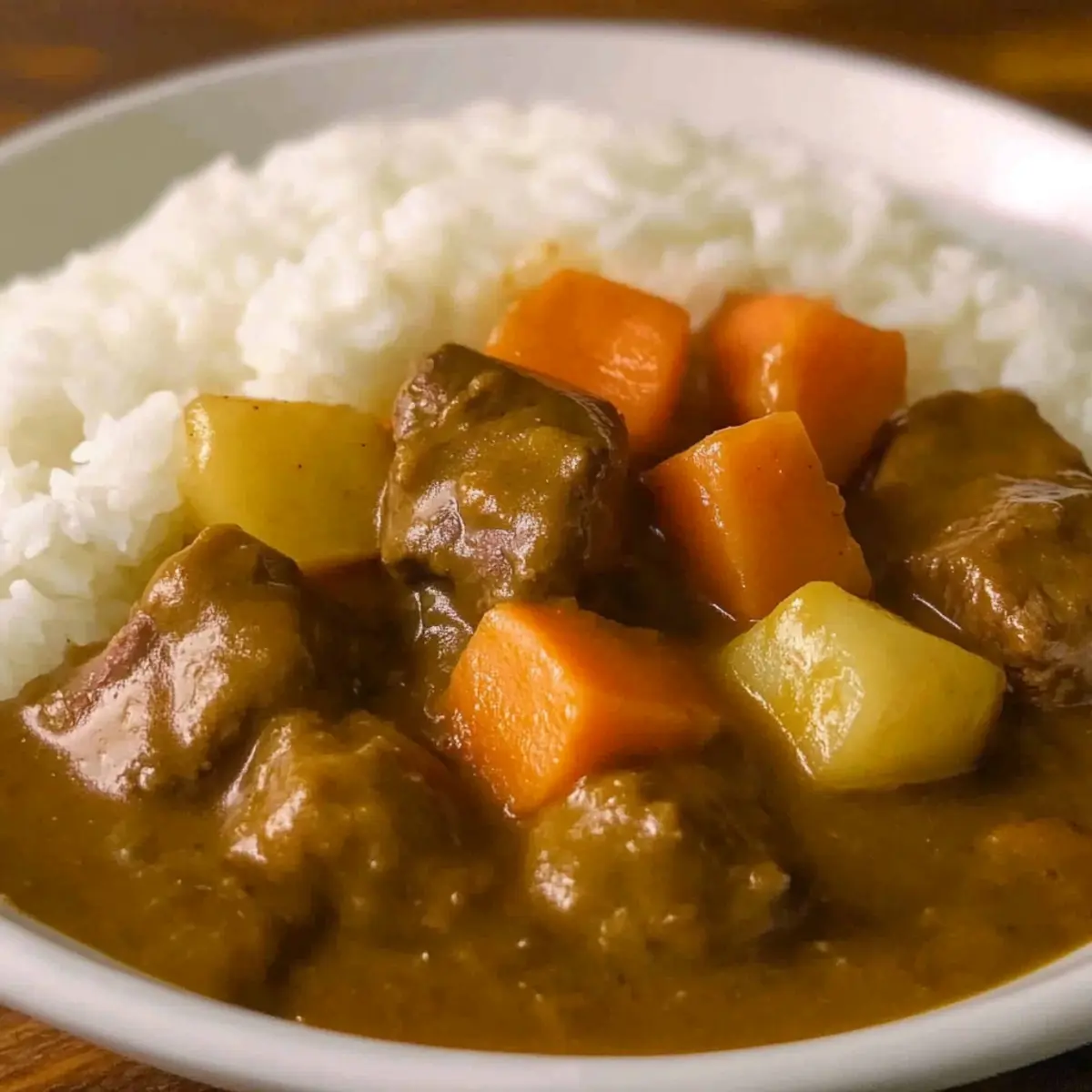
What to Serve with Hearty Japanese Curry (Kare Raisu)
Indulging in a warm bowl of Japanese curry is a delightful experience, and pairing it with the right sides can elevate your meal to new heights.
- Steamed Broccoli: This vibrant green vegetable adds a fresh crunch that beautifully contrasts with the creamy curry.
- Light Cucumber Salad: A refreshing salad with a tangy dressing balances the curry’s richness, keeping your palate refreshed.
- Golden Tempura Vegetables: Crispy, battered veggies bring a delightful texture contrast that complements the soft curry and rice perfectly.
- Pickled Ginger: The sharp and flavorful pickles provide a zesty bite, cleansing the palate between the delicious bites of curry.
- Japanese Rice Balls (Onigiri): These soft rice balls can be filled with savory ingredients, enhancing the overall Japanese dining experience alongside your curry.
- Chilled Soba Noodles: The nutty flavor and chewy texture of cold soba provide a refreshing contrast, making each bite an adventure.
- Tasty Miso Soup: A small serving of miso soup before your curry warms the soul, with umami notes that tie beautifully into your meal theme.
- Soft Baked Apples: End your meal on a sweet note with warm baked apples; their gentle sweetness complements the savory curry, rounding out the experience.
- Sweet Green Tea: A light, slightly sweet beverage like matcha or green tea pairs well, enhancing the meal and cleansing the palate.
These sides will not only complement your hearty Japanese curry on rice but also create a memorable dining experience for you and your loved ones.
Japanese Curry Variations & Substitutions
Feel free to adapt this recipe to suit your taste and dietary preferences, making it your own culinary masterpiece!
- Protein Swap: Replace cubed beef with chicken, pork, or even tofu for a delightful variation that caters to different tastes.
- Spice Up: Add a teaspoon of chili powder or crushed red pepper flakes for a spicy kick that will warm your soul.
- Vegetable Medley: Toss in extra veggies like bell peppers, peas, or zucchini to amp up fiber and flavor without losing that cozy feel.
- Gluten-Free: Use a gluten-free curry roux and substitute soy sauce with tamari to enjoy this comforting dish without worry.
- Coconut Cream: For a luscious twist, swirl in a can of coconut milk at the end for a creamy texture and a slight sweetness.
- Umami Boost: A splash of Worcestershire Sauce or some miso paste can add depth and complexity to the flavor profile.
- Sweetness Variations: Instead of honey, try adding a touch of maple syrup for a different kind of sweetness that complements the curry beautifully.
- Rice Alternatives: Serve the curry over jasmine rice or quinoa for a unique texture and flavor that pairs wonderfully with Japanese curry.
With these variations, you can create a comforting dish that suits any palate while keeping that signature Kare Raisu charm!
Expert Tips for Japanese Curry
- Chunk Size Matters: Cut vegetables into larger chunks to ensure they absorb flavors while maintaining a pleasant texture, enhancing your Japanese curry experience.
- Use Stock for Depth: When adding liquid, opt for beef or vegetable stock instead of water for a richer flavor—this can elevate your curry significantly!
- Watch Your Roux: Be cautious not to add too much roux at once; if your curry is too thick, gradually incorporate more water while simmering to achieve the desired consistency.
- Versatile Substitutions: Experiment with different proteins like chicken or tofu. This variability not only adds nutrition but also personalizes the flavor of your curry.
- Perfectly Cooked Rice: Use a rice cooker for flawless fluffy rice, ensuring it complements your curry perfectly. If cooking on the stovetop, keep a close eye to prevent burning!
How to Store and Freeze Japanese Curry
Fridge: Store leftover Japanese curry in an airtight container for up to 3 days. Ensure it cools to room temperature before sealing to maintain freshness.
Freezer: For longer storage, freeze the curry without potatoes for up to 1 month. When ready to enjoy, thaw in the fridge overnight before reheating.
Reheating: To reheat, warm your curry slowly in a pot over medium heat or in the microwave until heated through. If too thick, add a splash of water or stock for desired consistency.
Storage Tips: To keep texture intact, avoid reheating multiple times, as this can impact the delicious richness of the curry.
Make Ahead Options
Preparing Japanese curry (Kare Raisu) in advance is perfect for busy weeknights, allowing you to enjoy comforting homemade food with minimal effort. You can chop the vegetables (onions, carrots, and potatoes) and refrigerate them in an airtight container up to 24 hours ahead of time. The beef can be seasoned and kept covered at room temperature for about 1 hour before cooking. When you’re ready to serve, simply follow the cooking instructions, adding the prepped ingredients into the pot. To maintain quality, avoid overcooking when reheating, as the curry flavors deepen after a day or two in the fridge, making it just as delicious when reheated up to 3 days later! Enjoy the time-saving benefits of meal prep without sacrificing flavor!
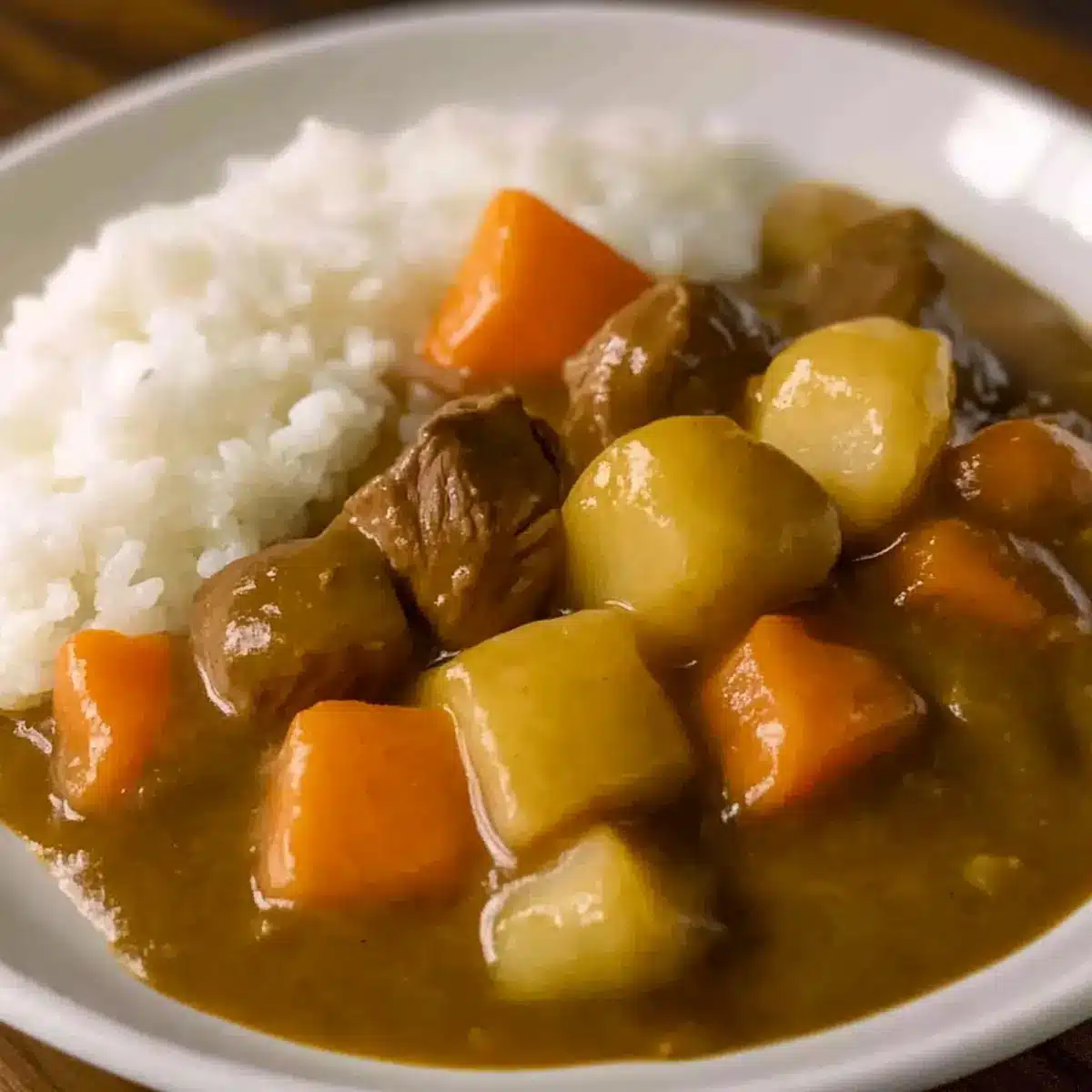
Japanese Curry on Rice Recipe FAQs
How do I choose the right vegetables for my Japanese curry?
Absolutely! Opt for large yellow or white onions for their sweetness, and pick medium-sized fresh carrots for a burst of color. When it comes to potatoes, Yukon Gold are ideal as they absorb flavors beautifully—steer clear of waxy varieties for the best results.
What’s the best way to store leftovers of my Japanese curry?
You can store your leftover Japanese curry in an airtight container in the fridge for up to 3 days. Be sure to let it cool to room temperature before sealing it up. To maintain the best flavor and texture, reheat only the portion you plan to enjoy!
Can I freeze Japanese curry?
Yes, for longer storage, you can freeze the curry without potatoes for up to 1 month. Just allow it to cool completely, transfer it to a freezer-safe container, and label it. When you’re ready to enjoy, simply thaw it in the fridge overnight and reheat in a pot or microwave. If it’s too thick, add a splash of water or stock.
What should I do if my curry is too watery?
Very! If you find that your curry has turned out too watery, you can gradually add more curry roux while simmering gently. Start with a small piece and allow it to dissolve completely before deciding if you need more. This will help thicken it to that rich, stewy consistency we love!
Are there any dietary considerations I should keep in mind?
Certainly! If you have food allergies, be mindful of the Japanese curry roux, as it may contain wheat or other allergens. Additionally, if you’re cooking for pets, limit generous portions as it may not align with their dietary needs. Finally, consider using tofu or lean chicken as a fantastic alternative protein source for a healthier option!
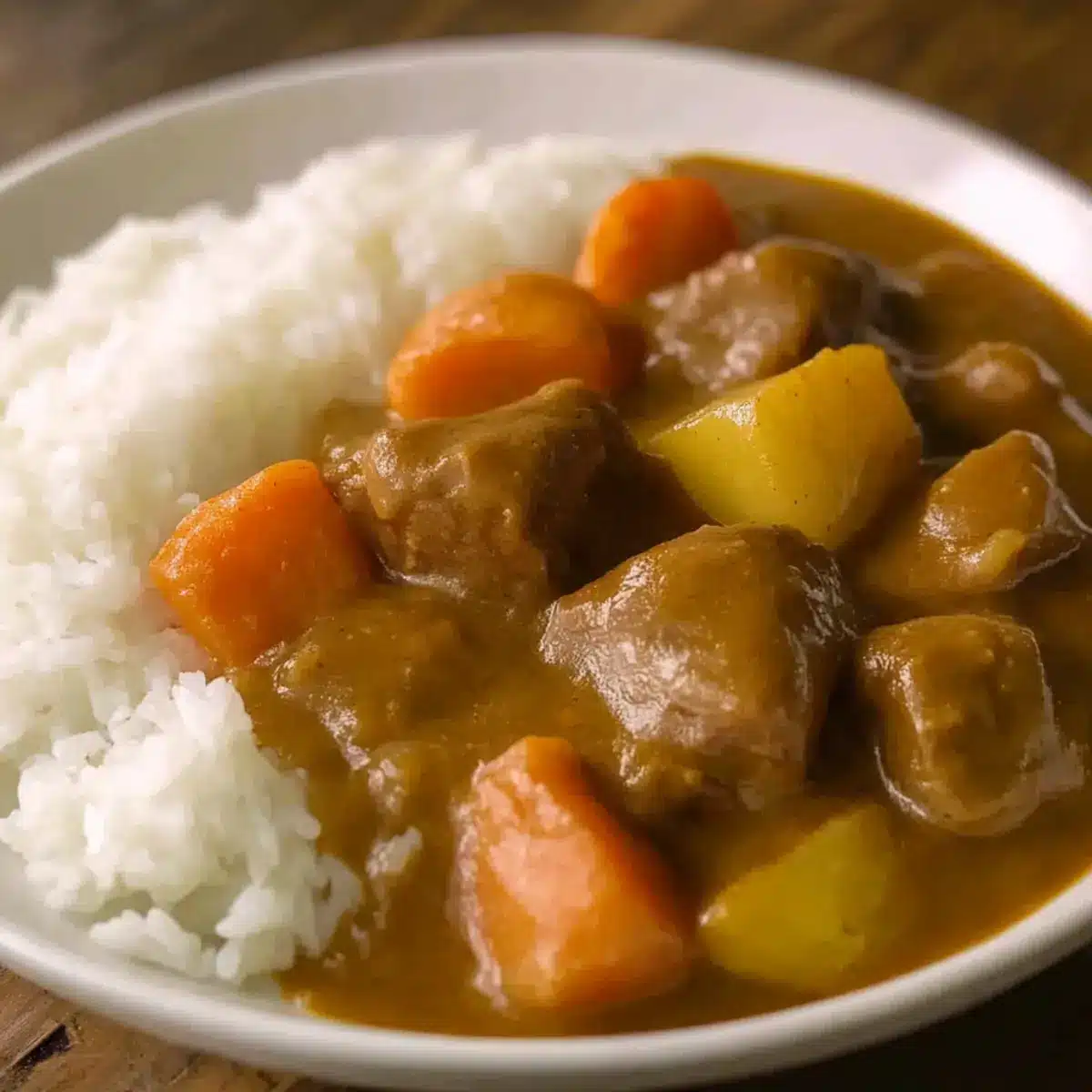
Savor Japanese Curry on Rice: Your New Comfort Food Favorite
Ingredients
Equipment
Method
- Begin by chopping the potatoes, carrots, and onions into 1-inch chunks for even cooking. Mince garlic and grate an apple.
- Soak the chopped potatoes in warm water for 15 minutes to reduce starch and enhance creaminess.
- Sprinkle salt on the cubed beef and let it sit at room temperature for about 10 minutes.
- In a medium pot, heat oil and sear the beef cubes until browned on all sides (5-7 minutes). Remove and set aside.
- Melt butter in the same pot and sauté the onions until golden brown and caramelized (about 8 minutes).
- Add minced garlic, soaked potatoes, and chopped carrots to the pot, stirring for 2 minutes, then return the beef.
- Pour in the water or stock to cover the ingredients in the pot and stir in optional ingredients.
- Cover and simmer for about 15 minutes on medium-low heat, stirring occasionally.
- Check the texture of the potatoes; if tender, proceed to add the curry roux.
- Remove from heat and gradually add the curry roux, stirring until fully dissolved.
- Return to low heat and simmer uncovered for another 15 minutes, stirring continuously.
- Serve the curry hot over a mound of fluffy rice.
Leave a Reply