
There’s something truly magical about the scent of Thai coconut shrimp curry wafting through the kitchen. Just the thought of those plump shrimp mingling with juicy bell peppers in a rich, creamy coconut sauce is enough to make anyone’s mouth water. This Thai Coconut Shrimp Curry recipe is not only a breeze to prepare in just 30 minutes, but it also elevates any weeknight dinner into a special occasion. Whether you’re cooking for family or impressing friends at your next gathering, this dish promises to be a hit with its delicious flavors and customizable spice levels. Plus, you’ll definitely feel good about skipping takeout for this wholesome, gluten-free treasure. Curious how to whip up this delightful dish? Let’s dive into the details!
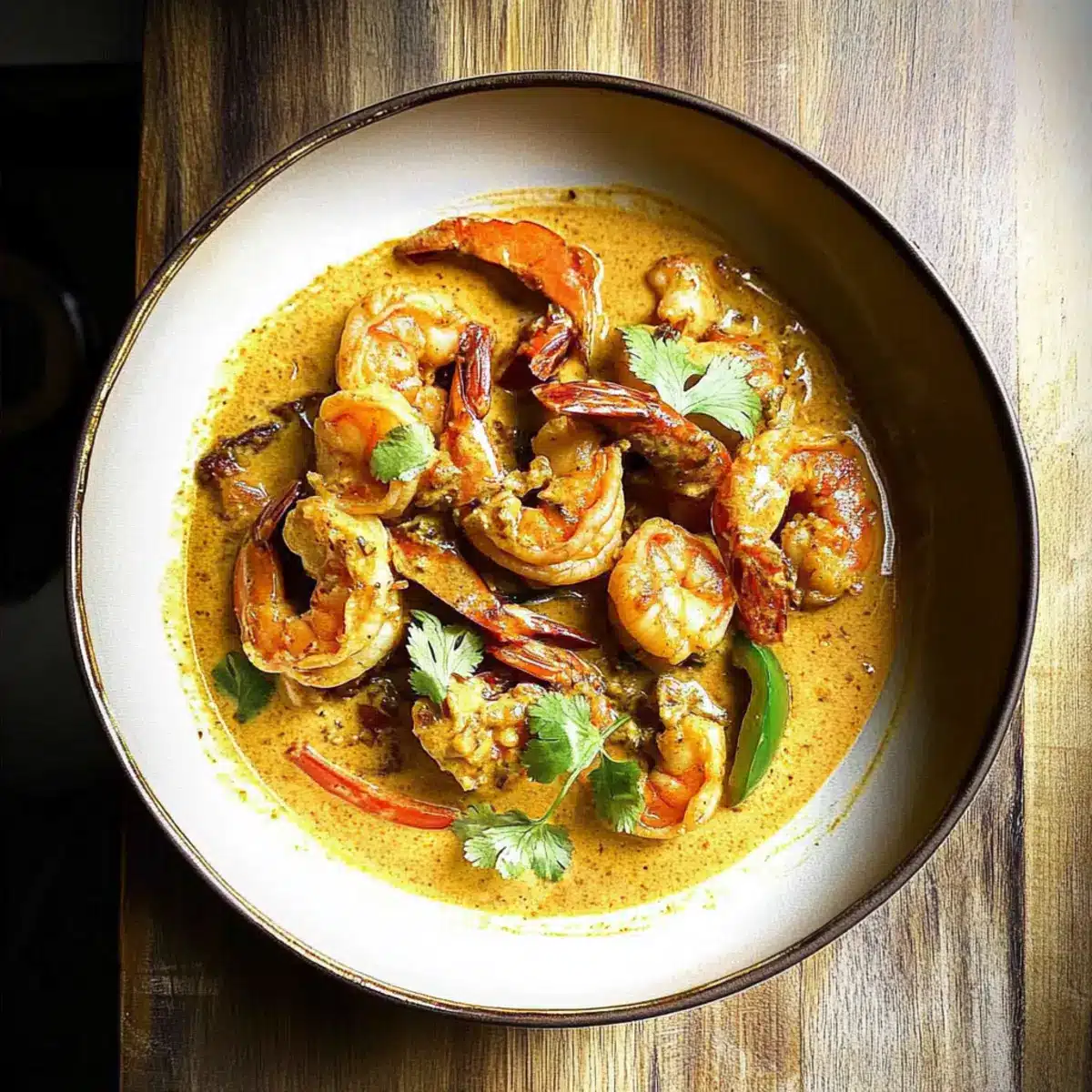
Why is Thai Coconut Shrimp Curry a must-try?
Quick cooking: This recipe is a lifesaver for busy weeknights, ready in just 30 minutes.
Creamy goodness: A rich, coconut sauce envelops the shrimp, creating a sumptuous flavor that beats any takeout option.
Customizable: Mix and match various proteins, like chicken or tofu, plus your favorite vegetables, making it an adaptable dish to suit every taste.
Crowd-pleaser: Impress family and friends alike with this flavorful meal; it’s sure to become a favorite at any gathering.
Wholesome ingredient: Nourishing and gluten-free, it’s a guilt-free choice compared to fast-food alternatives. Pair it with some Garlic Butter Shrimp on the side for a delightful feast!
Thai Coconut Shrimp Curry Ingredients
For the Curry
- Shrimp – A quick-cooking protein; make sure they’re peeled and deveined.
- Low Sodium Soy Sauce – Adds a depth of flavor; swap for tamari if gluten-free is needed.
- Thai Red Curry Paste – This is the heart of the dish; adjust for spice to suit your taste.
- Coconut Milk – Provides creaminess; opt for full-fat for richness or light for a lower-calorie version.
- Brown Sugar – Balances the flavors with sweetness; coconut sugar works as a substitute.
- Fish Sauce – Enhances umami; omit for a vegetarian Thai Coconut Shrimp Curry.
For the Aromatics
- Garlic Cloves – Freshly grated adds vibrant flavor; you can use garlic powder in a pinch.
- Freshly Grated Ginger – Offers warm spice and depth; powdered ginger can substitute but use less.
- Shallot – Lends natural sweetness; onion is a suitable alternative if needed.
- Bell Pepper – Provides crunch; swap for zucchini or bok choy for variation.
Spices and Seasoning
- Turmeric – Adds color and earthy notes; can be omitted if you’re out.
- Red Pepper Flakes – Adds heat; adjust to find your preferred spice level.
- Ground Cumin & Coriander – These spices deepen the curry flavor; essential for a complete taste.
- White Pepper – Offers a mild kick; black pepper is a fine alternative.
For Cooking
- Vegetable Oil & Unsalted Butter – Used for sautéing; keep it dairy-free by using only oil.
- Chicken or Vegetable Broth – Adds flavor to the sauce; always use vegetable broth for a vegetarian option.
For Serving
- Lime Juice – Brightens the dish with a zesty finish; fresh lime is best.
- Sriracha – Optional for extra heat; feel free to leave it out for a milder curry.
- Thai Basil & Toppings (scallions, fried onions, cilantro, chili pepper) – Fresh herb garnishes add flavor and texture to your Thai Coconut Shrimp Curry.
With these ingredients at hand, you’re just moments away from indulging in a sumptuous, homemade Thai Coconut Shrimp Curry!
Step‑by‑Step Instructions for Thai Coconut Shrimp Curry
Step 1: Prepare the Shrimp
In a mixing bowl, combine the peeled and deveined shrimp with low sodium soy sauce, red pepper flakes, turmeric, garlic powder, and white pepper. Toss until shrimp are evenly coated. Set this mixture aside to marinate while preparing the aromatics, allowing the flavors to infuse for about 5 minutes.
Step 2: Prep Aromatics
Grate the fresh ginger and garlic, and finely chop the shallot. Slice the bell pepper into thin strips for a pleasing texture. Having these aromatics ready will enhance the flavors of your Thai Coconut Shrimp Curry, so take a moment to organize them before cooking begins.
Step 3: Sear the Shrimp
Heat a skillet over high heat and add a mix of vegetable oil and unsalted butter. Once the butter has melted and is bubbling, gently add the seasoned shrimp. Sear the shrimp for about 1 minute on each side until they turn pink and opaque. Remove them from the skillet and set aside, ensuring not to overcook.
Step 4: Cook the Vegetables
In the same skillet, add the sliced bell pepper and sauté for approximately 5 minutes until they soften and begin to char slightly. Next, stir in the grated garlic, ginger, and chopped shallot, cooking for an additional 2 minutes until fragrant. This build-up of aromas is essential for the rich flavor in your Thai Coconut Shrimp Curry.
Step 5: Deglaze the Skillet
Pour in the broth, using a wooden spoon to scrape up any flavorful brown bits stuck to the bottom of the skillet. Let the mixture simmer for about 2 minutes, allowing the broth to reduce and concentrate the flavors while prepping for the next steps.
Step 6: Add Curry Paste and Spices
Stir in the Thai red curry paste, brown sugar, cumin, ground coriander, soy sauce, and fish sauce into the skillet. Mix well and cook for another minute, ensuring that the spices meld into the mixture, creating a vibrant and aromatic base for the Thai Coconut Shrimp Curry.
Step 7: Make the Sauce
Pour in the coconut milk, stirring to incorporate. Bring the mixture to a gentle boil, then reduce the heat and let it simmer for about 5 minutes until slightly thickened. The creamy coconut sauce will envelop the flavors you’ve built up, creating the heart of your dish.
Step 8: Finish the Dish
Stir in fresh lime juice, a splash of sriracha, and a handful of Thai basil into the sauce. Return the shrimp to the skillet and gently heat for an additional 1 minute, ensuring the shrimp are warmed through without overcooking them, which keeps them tender.
Step 9: Serve and Garnish
Transfer your delicious Thai Coconut Shrimp Curry to bowls, garnishing with fresh cilantro and your choice of toppings, like scallions or fried onions. Serve this vibrant dish hot, paired with jasmine rice or a refreshing cucumber salad for a complete meal that’s sure to impress!
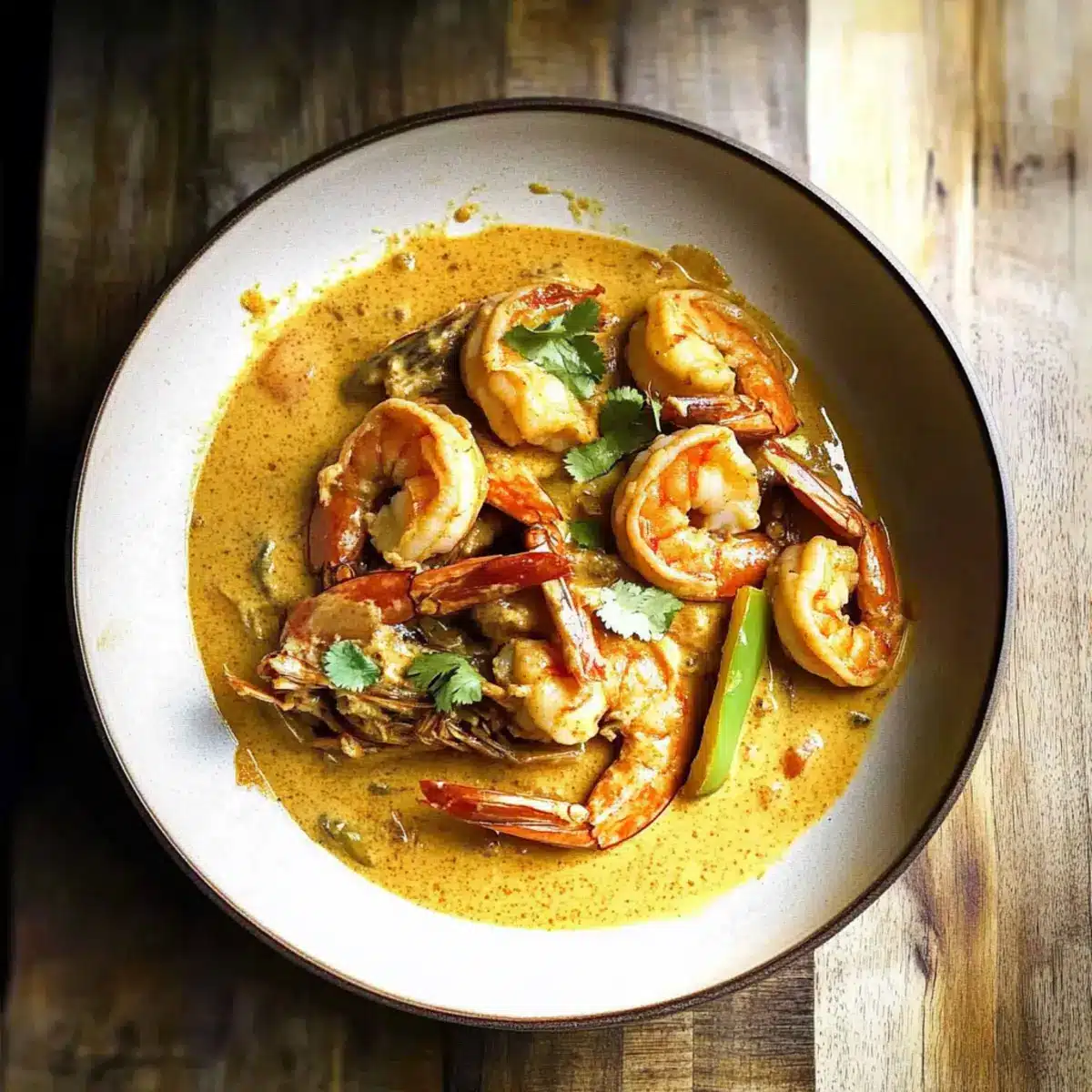
Expert Tips for Thai Coconut Shrimp Curry
-
Prep Ahead: Prepare all your ingredients before cooking. This ensures a smoother cooking experience, allowing the flavors to blend beautifully in your Thai Coconut Shrimp Curry.
-
Control the Heat: Adjust the amount of red pepper flakes and sriracha based on your spice preference. Always taste as you go to avoid overwhelming the dish.
-
Consistency Matters: If your sauce becomes too thick, simply add a splash of broth or water to reach your desired consistency.
-
Perfectly Cooked Shrimp: To keep the shrimp tender and juicy, add them back to the skillet only at the end of cooking. Overcooking can lead to rubbery shrimp, so be mindful of cooking time.
-
Don’t Skip the Lime: Fresh lime juice brightens the flavors and balances the richness of the sauce. Make sure to add it just before serving for maximum freshness!
-
Experiment with Veggies: While bell peppers are delicious, don’t hesitate to mix in seasonal vegetables like snap peas or carrots for added color and nutrition in your Thai Coconut Shrimp Curry.
What to Serve with Thai Coconut Shrimp Curry
The aromatic blend of spices and creamy coconut sauce deserves delightful companions for a complete meal experience.
-
Jasmine Rice: Fluffy and fragrant, jasmine rice soaks up the rich sauce, complementing the curry perfectly. A classic pairing that’s comforting and satisfying.
-
Cucumber Salad: This refreshing salad adds crunch and a burst of coolness, balancing the curry’s spice. Tossed with lime and herbs, it’s a zesty contrast.
-
Grilled Veggies: Charred zucchini, bell peppers, or asparagus provide a smoky flavor and vibrant color on the plate. This adds a contrast of textures, enhancing your meal.
-
Thai Spring Rolls: Fresh and crispy, these rolls filled with shrimp or veggies offer a light and delightful starter. Serve with a peanut dipping sauce for extra indulgence.
-
Mango Sticky Rice: For dessert, this sweet treat brings a luscious finish to the meal. The combination of coconut and fresh mango echoes the flavors of the curry beautifully.
-
Craft Beer or White Wine: A light, citrusy beer or a crisp Sauvignon Blanc can enhance the meal’s flavors while complementing the spicy notes of the curry. Cheers to a delightful pairing!
Thai Coconut Shrimp Curry Variations
Feel free to get creative and make this Thai Coconut Shrimp Curry your own with these tempting twists and substitutions!
- Vegetarian Delight: Swap shrimp for tofu or chickpeas for a plant-based version that packs a protein punch. Tender tofu absorbs the rich flavors beautifully!
- Colorful Veggies: Replace bell peppers with seasonal favorites like snap peas, carrots, or even butternut squash for added sweetness and crunch that is sure to please.
- Extra Spicy: Want to kick it up a notch? Use green curry paste instead of red for a spicier, more herbaceous profile, giving this dish a fiery twist!
- Dairy-Free Option: Omit the butter and use coconut oil for sautéing, creating a deliciously creamy texture while keeping it completely dairy-free.
- Coconut Noodles: Instead of rice, serve your curry over coconut-infused rice noodles for a delightful, slurp-worthy experience.
- Flavor Boost: Add in a tablespoon of lime zest along with the juice for an extra zesty brightness that complements the curry beautifully.
- Savory Garnish: Top with a handful of crushed peanuts or cashews for an added crunchy texture that brings a satisfying contrast to the creamy sauce.
- Herb Upgrade: Switch out Thai basil with fresh cilantro or mint for a uniquely fragrant twist, introducing a fresh perspective to your curries!
Let your culinary creativity run wild with these suggestions, and don’t hesitate to check out other recipes like Garlic Butter Shrimp for fabulous pairing ideas! You are bound to create a dish that’s perfectly customized to your tastes!
Make Ahead Options
These Thai Coconut Shrimp Curry ingredients are perfect for meal prep enthusiasts! You can marinate the shrimp with the soy sauce and spices up to 24 hours in advance, which allows the flavors to deeply infuse. Additionally, chop the bell pepper and prepare the garlic, ginger, and shallot ahead of time, storing them in airtight containers in the refrigerator for up to 3 days. When you’re ready to cook, simply sauté the aromatics and proceed with the recipe. To maintain the quality and ensure the shrimp stay tender, avoid overcooking them by adding them back to the skillet for just 1 minute before serving. This way, you’ll enjoy just as delicious results with minimal evening stress!
How to Store and Freeze Thai Coconut Shrimp Curry
Fridge: Store leftovers in an airtight container for up to 3 days. Reheat gently on the stovetop to avoid overcooking the shrimp.
Freezer: Freeze in an airtight container for up to 2 months. Allow to cool completely before freezing, and defrost in the fridge overnight before reheating.
Reheating: Reheat on low heat in a skillet with a splash of broth to maintain the creamy texture and tenderness of the shrimp.
Serving Tip: Add a drizzle of fresh lime juice again after reheating to brighten the flavors of your Thai Coconut Shrimp Curry.
Thai Coconut Shrimp Curry Recipe FAQs
What type of shrimp is best to use for this curry?
Absolutely! It’s best to use fresh, peeled, and deveined shrimp for a swift cooking process. You can choose between large or medium shrimp based on your preference, but make sure they’re pink and firm for the best texture in your Thai Coconut Shrimp Curry.
How should I store leftovers?
Store leftovers in an airtight container in the fridge for up to 3 days. When reheating, do so gently on the stovetop over low heat to avoid overcooking the shrimp. Adding a splash of broth can help maintain the creamy texture of the sauce.
Can I freeze this Thai Coconut Shrimp Curry?
Yes, you can freeze it! After allowing the curry to cool completely, transfer it into an airtight container. It will keep well in the freezer for up to 2 months. To reheat, thaw overnight in the fridge and warm it on the stovetop with a little broth for a smooth consistency.
What should I do if my sauce is too thick?
Very good question! If your sauce becomes too thick, simply add a splash of chicken or vegetable broth. Stir well and let it simmer for a few minutes until the desired consistency is reached. This will keep your Thai Coconut Shrimp Curry creamy and delightful without losing any flavors.
Are there any dietary concerns with this recipe?
This curry is gluten-free when using tamari instead of soy sauce. However, check your broth and curry paste for any hidden gluten ingredients. Always consider personal allergies and dietary preferences—like substituting shrimp with chicken or tofu for a vegetarian version—which allows everyone to enjoy this dish!
How do I adjust the spice level for my Thai Coconut Shrimp Curry?
If you prefer a milder dish, begin with a smaller amount of red pepper flakes and omit the sriracha. Taste your curry as you go, adjusting by adding more spice gradually until you reach your desired heat level. Remember, it’s easy to add more but hard to take away!
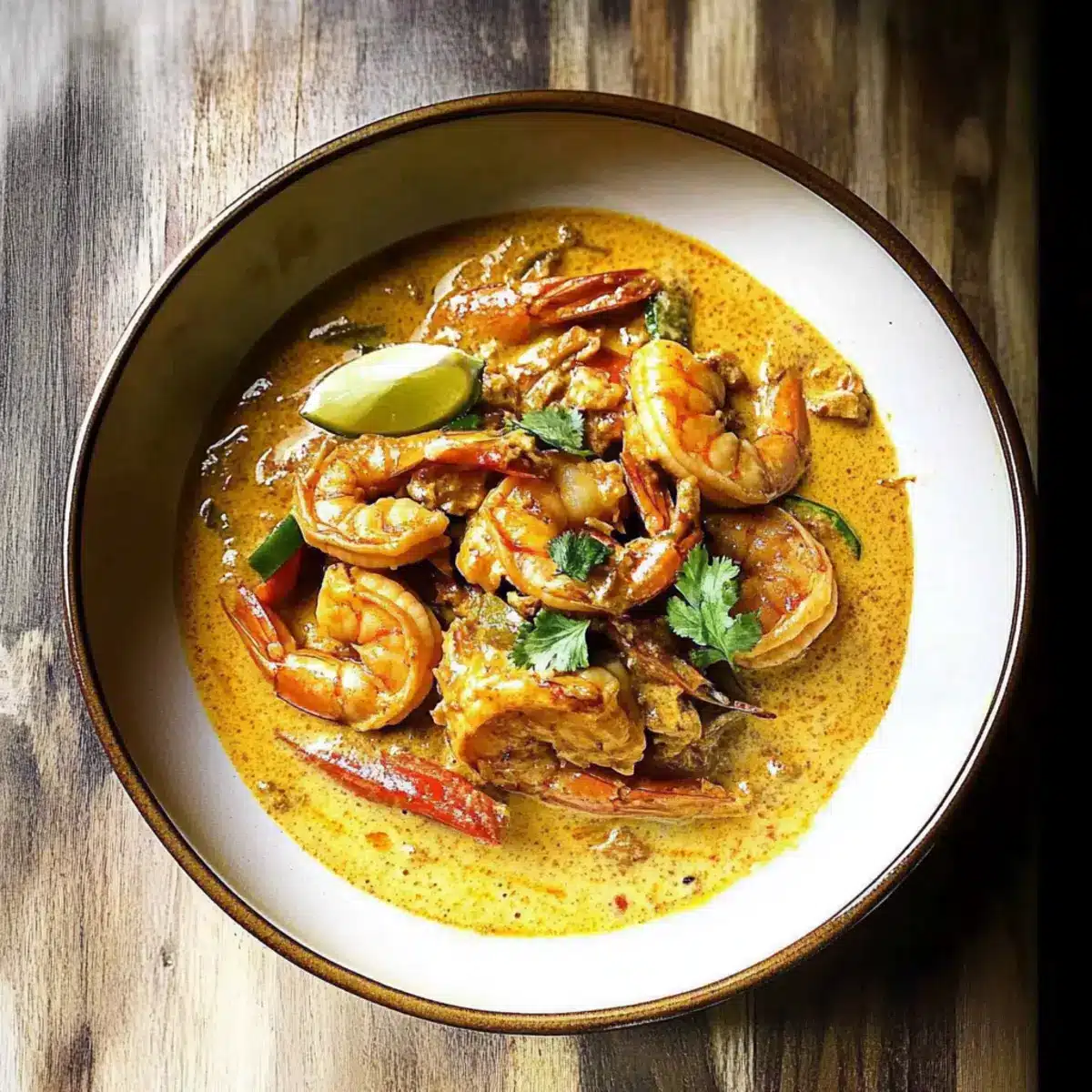
Savory Thai Coconut Shrimp Curry in Just 30 Minutes
Ingredients
Equipment
Method
- Combine the peeled and deveined shrimp with low sodium soy sauce, red pepper flakes, turmeric, garlic powder, and white pepper. Set aside to marinate for 5 minutes.
- Grate the fresh ginger and garlic, finely chop the shallot, and slice the bell pepper into thin strips.
- Heat a skillet over high heat and add vegetable oil and unsalted butter. Once melted, add the seasoned shrimp and sear for about 1 minute on each side. Remove from skillet.
- In the same skillet, sauté the sliced bell pepper for about 5 minutes, then add garlic, ginger, and shallot, cooking for an additional 2 minutes.
- Pour in the broth, scraping up any brown bits from the skillet. Let simmer for 2 minutes.
- Stir in the Thai red curry paste, brown sugar, cumin, ground coriander, soy sauce, and fish sauce. Cook for another minute.
- Add the coconut milk, bringing to a gentle boil, then simmer for 5 minutes until slightly thickened.
- Stir in lime juice, sriracha, and Thai basil. Return shrimp to the skillet for an additional minute.
- Transfer to bowls and garnish with cilantro and desired toppings, serving hot with rice or salad.
Leave a Reply